
Surgery
Oral surgery
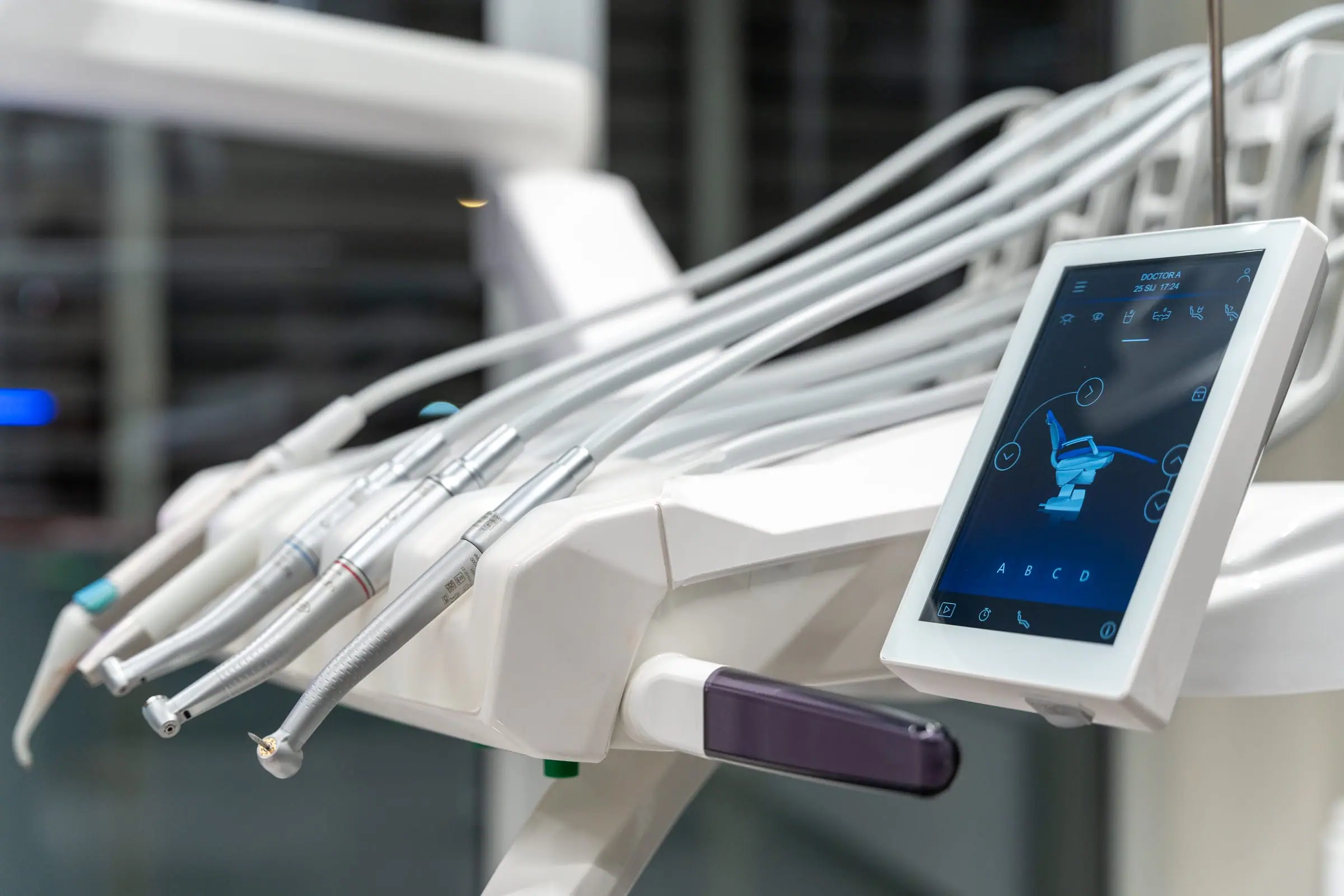
Surgical procedures in the mouth are often the first step towards implants and new restorations. They are carried out under local anaesthetic in our surgical treatment room, with 3D diagnostics in the same place.
- procedure planning
- 3D CBCT
- anaesthetic
- Local
Bone grafting (augmentation)
When there is not enough bone for an implant – after a tooth has been missing for a long time, or following inflammation or an extraction – the bone volume is increased with a bone substitute in granule form, which stimulates the regeneration of natural bone. The procedure is carried out under local anaesthetic and usually takes 30–45 minutes.
Depending on the type of procedure, it is usually at least 4–6 months before the implant can be loaded.
Sinus lift
In the area of the upper back teeth, the bone is often too low because of the proximity of the maxillary sinus. A sinus lift is a routine procedure in which the sinus membrane is gently raised and the space created is filled with bone substitute – so that an implant can be placed. It is carried out under local anaesthetic and usually takes around 30 minutes.
Wisdom tooth removal (surgical extraction)
Wisdom teeth that do not have enough room often remain partly or fully in the bone. They can cause pain, swelling, difficulty opening the mouth, inflammation and damage to the neighbouring tooth. Using an X-ray, we assess the position of the wisdom tooth and its relationship to the nerve; the surgical extraction is carried out under local anaesthetic in the sterile conditions of our surgical treatment room.
Apicectomy
An apicectomy is the removal of the tip of a tooth root, most often because of a granuloma or cyst when root canal treatment has not been sufficient. The procedure makes it possible to save a tooth that would otherwise have to be extracted, and takes approximately 30 to 60 minutes, depending on the tooth.
Cystectomy
A cystectomy is the surgical removal of a cyst in the jaw. Cysts often cause no symptoms for a long time and are discovered by chance on a panoramic X-ray (OPG) – which is why regular check-ups are important.
How we prepare for the procedure
- 01
Specialist consultation
An examination of your mouth, a conversation about what you would like to achieve and, if needed, an X-ray or 3D CBCT scan – all in the clinic, in one place. Based on this, you receive a treatment plan and a quote.
- 02
Imaging
A panoramic X-ray (OPG) or 3D CBCT scan shows the bone, roots, nerves and sinus – and the procedure is planned on that basis.
- 03
The procedure
Under local anaesthetic, in our surgical treatment room.
- 04
Instructions and follow-up
You receive written instructions on aftercare and diet, and we check healing at a follow-up appointment.
After oral surgery
- Cold compresses on the first day reduce swelling.
- Avoid hot food and drinks for the first few hours, and smoking and strenuous physical activity for the first few days.
- Do not rinse your mouth vigorously on the first day – the blood clot protects the wound.
- Take any medication as prescribed and come back for your follow-up appointment.
Questions & answers
Frequently asked questions
Is surgical wisdom tooth removal painful?
The procedure is carried out under local anaesthetic, so you should not feel pain during the extraction. Swelling and tenderness for a few days afterwards are normal and can be eased with cold compresses and the prescribed medication.
Do wisdom teeth always need to be removed?
No. A wisdom tooth that has come through properly, can be cleaned and causes no problems can stay. Removal is recommended when it causes inflammation, pain or damage to the neighbouring tooth, or when there is no room for it to come through.
How long do I have to wait for an implant after bone grafting?
It depends on the type of procedure – usually at least 4–6 months. In some cases the implant is placed at the same time as the bone graft.
Can I work after the procedure?
After minor procedures, most patients return to their usual routine within a day or two. After more extensive procedures we recommend a few days' rest; you will receive advice according to the type of procedure.
Related services
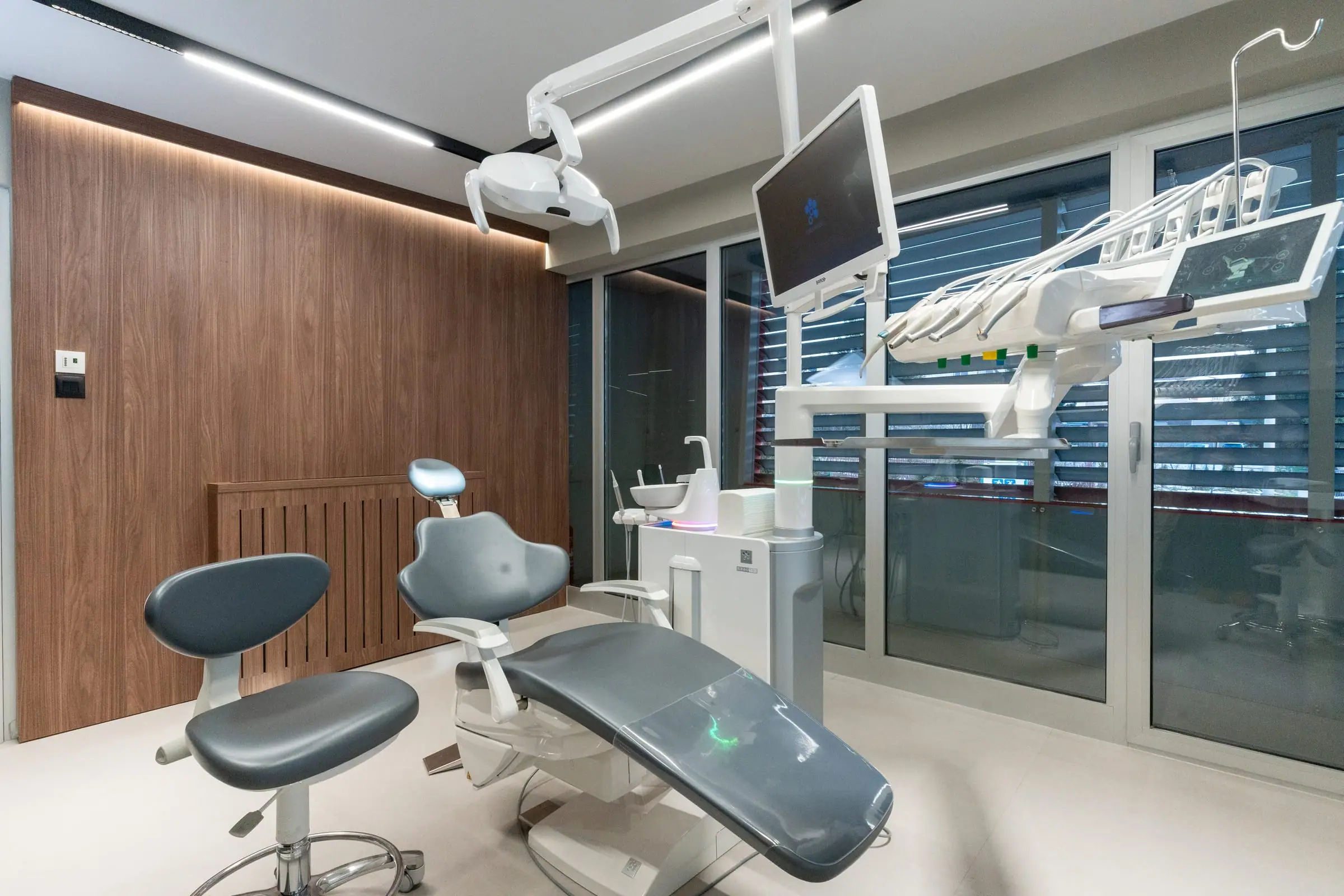
Dental implants
A fixed replacement for one, several or all teeth – B&B Dental implants, 3D planning and crowns from our in-house laboratory.
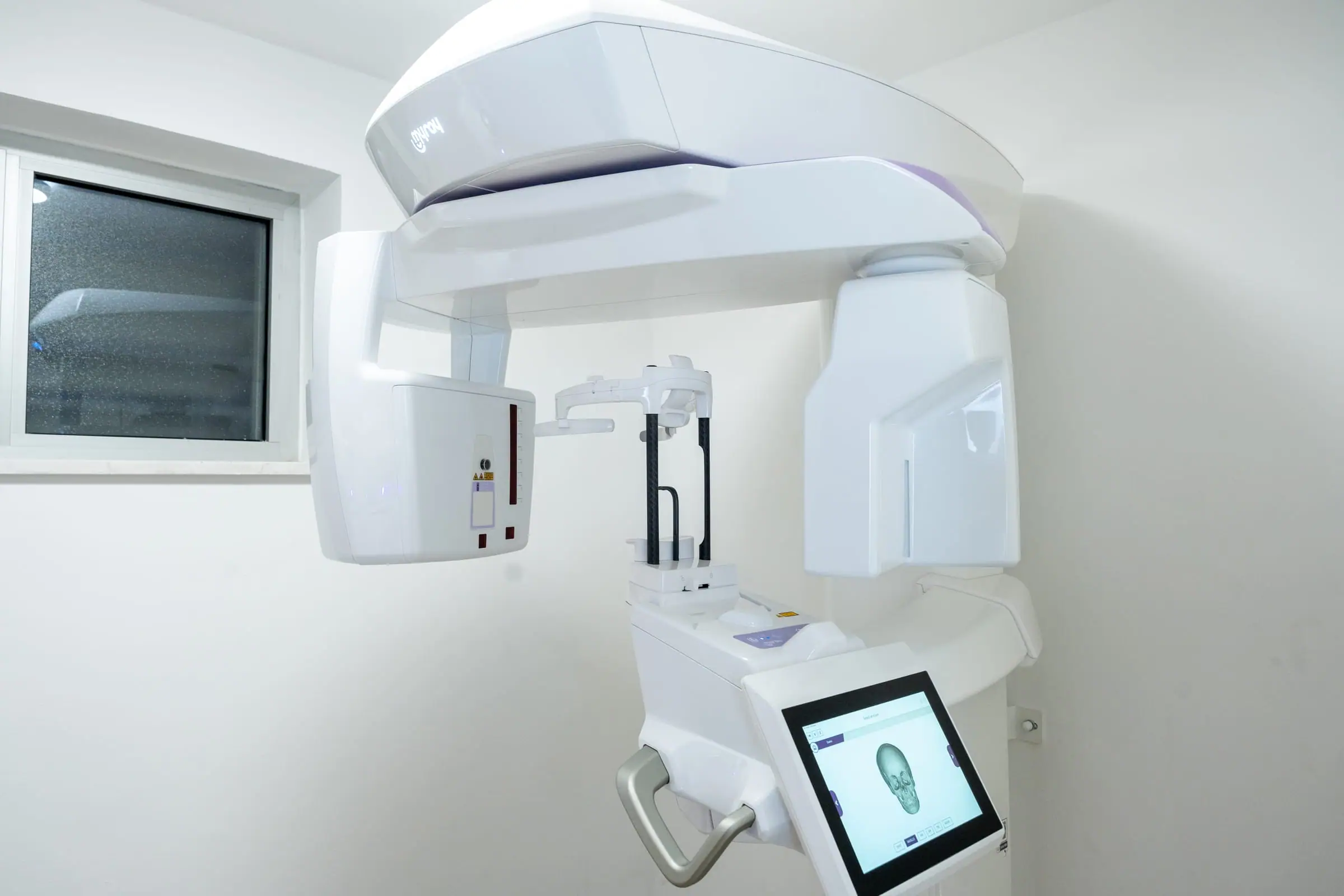
3D CBCT scan
2D panoramic X-ray (OPG) and 3D CBCT dental scan – at our clinic in Sarajevo, in the same place as your treatment.
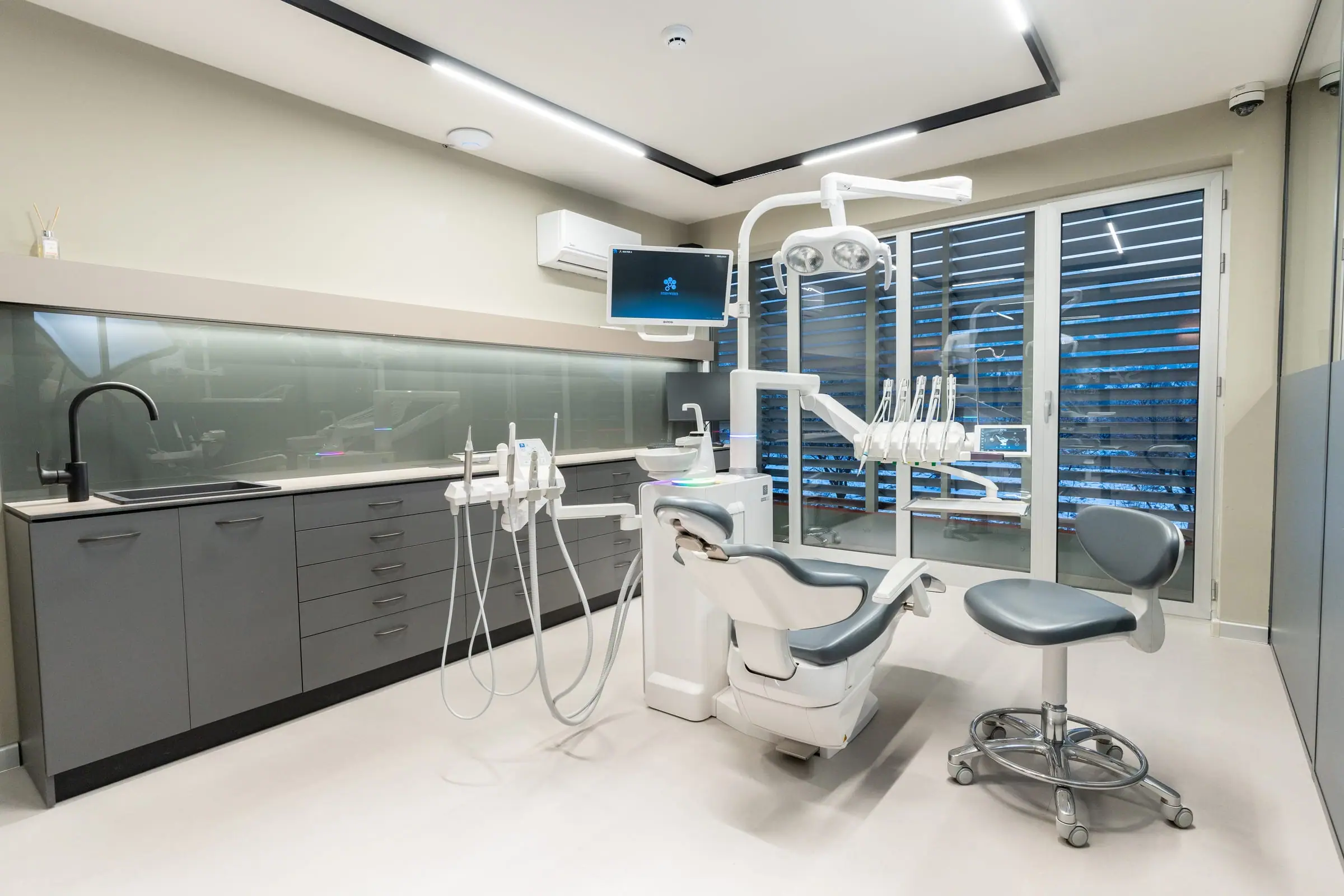
All-on-4 / All-on-6
A complete fixed arch of teeth on 4 or 6 implants – for a toothless jaw or for teeth that need to be replaced.
The first step
Book a specialist consultation.
Your appointment includes a free specialist examination of your mouth, a consultation with the dentist, a treatment plan and a quote for the treatments you need, tailored to your wishes and circumstances.